Exclusive Interview | Mr. Sahil Wahid, Co Founder– Revel Travels
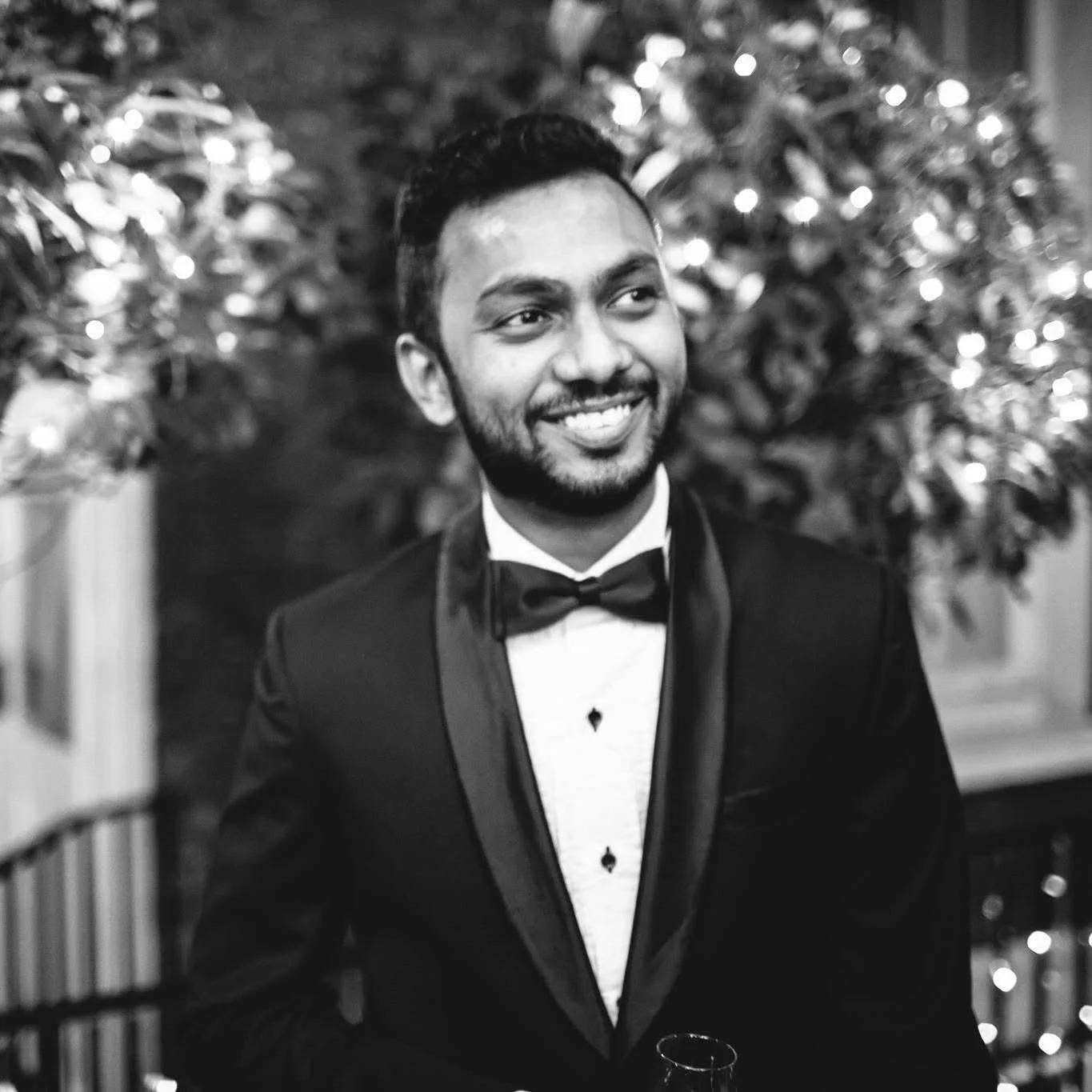
/
Editor: How has your journey at Revel Travel shaped the company’s evolution from traditional travel to experiential curation?
My family started Revel Travel as a traditional transactional travel business, but after backpacking across Spain in 2011, I realised that wasn’t the kind of travel I wanted to offer. In 2012, I made the decision to pivot the company entirely. We positioned Revel as the official travel partner for Tomorrowland, and that single move changed everything. Suddenly, we weren’t just booking trips — we were curating transformative experiences around the world’s most iconic festivals and events. That pivot set the trajectory for everything that followed. Every partnership, every destination, and every format we’ve built since has been about delivering that same feeling I had backpacking through Spain — real immersion, real connection, and real transformation.
Editor: How would you define “experiential travel” in today’s context, and how is it different from luxury travel?
Experiential travel is about transformation, not consumption. Luxury travel is often about comfort, exclusivity, and price tags. You stay in the nicest hotel, eat at the best restaurants, and check those boxes. Experiential travel asks, 'What will change me?' It’s about access to moments, communities, and insights you can’t buy. It’s standing in a crowd of 180,000 people at Tomorrowland, unified by music and culture. It’s the conversations you have with locals, the rituals you participate in, the perspective shifts that happen when you’re fully present. Yes, comfort matters — but it’s never the point. The point is the story you’ll tell for the next decade.
Editor: Revel is the official travel partner for global festivals like Tomorrowland and Untold — how did these partnerships come about?
As a young Indian, experiencing Tomorrowland was a dream of mine. But when I looked at the logistics, I realised how difficult it was for Indians to access international festivals — visas, logistics, planning; all of it felt overwhelming. So I wrote to them with that insight and my vision for what we could build together. I happened to be at the right place at the right time, and when they heard my story and my pitch, they connected with it. That’s how it started in 2012. From there, we expanded to Untold in Romania, Futur Festival in Italy, and partnerships across the globe. These aren’t just ticketing partnerships — we’re solving real problems for travellers who want access to world-class experiences but need someone to make it seamless, from visas to curated stays to the full on-ground experience.
Editor: Beyond the festival itself, what kind of experiences are travellers now expecting — community, exclusivity, after-parties, curated stays?
Travellers today don’t want to just attend an event — they want to belong to something. They’re looking for community first, exclusivity second. Yes, after-parties and VIP access matter, but what really moves the needle is feeling like you’re part of a tribe. They want curated stays that aren’t just beautiful but filled with other like-minded people. They want pre-event experiences that build anticipation. Some of my most life-changing moments have been when I met amazing people across the globe and realised we’re all fundamentally the same — that the world is one. That’s the feeling we try to create. It’s about crafting an environment where travellers connect deeply with each other, not just consume an experience. They want the story that starts before they arrive and continues long after they leave. It’s about coming back changed.
Editor: Have you seen a shift in the profile of travellers opting for these experiences?
Absolutely. When we started in 2012, our audience was concentrated – mostly from tier one Indian cities like Mumbai, Delhi, Bangalore, Chennai, and Hyderabad. Now that’s completely changed. We’re seeing travellers from tier two and tier three cities with serious purchasing power, willing to invest in transformative experiences globally. Beyond India, Gen Z is driving a massive shift, too. They’re not chasing luxury for its own sake — they want authenticity, sustainability, and meaning. We’re seeing more solo travellers, more women travelling alone, and a real democratisation of access. High-net-worth individuals are still part of our ecosystem, but they’re no longer the majority. What’s interesting is Gen Z and HNIs actually want similar things now — meaning, community and transformation. The profile is becoming more diverse, more global, and frankly, more interesting.
Editor: How is Revel positioning itself differently from OTAs and traditional travel companies?
OTAs are marketplaces — they aggregate supply and take a commission. Traditional travel companies are logistics providers. Revel is neither. We’re experienced architects. We don’t just sell you a ticket and a hotel room — we design the entire journey. We curate every touchpoint, from the moment you decide to go until weeks after you return home. We have deep, long-term partnerships with festivals and destinations that give us access that very few companies in the world have. We take our guests to the front of house at international festivals — literally, where the entire production of the main stage happens. We arrange backstage experiences and meetings with some of the biggest artists performing. These aren’t things you can book on an OTA. We’re invested in the outcome, not just the transaction. We understand the psychology of experiential travel — what transforms people, what builds community, what creates meaning. That’s not something you can algorithmically match on a website.
Editor: What challenges come with executing large-scale, experience-led travel programs across international destinations?
The biggest challenge is consistency at scale. When you’re designing experiences for thousands of people across multiple countries, maintaining quality is incredibly demanding. You need boots on the ground in every destination, local teams who understand the culture and the logistics. Visas are a constant puzzle — we’ve built an entire infrastructure just to navigate them. Weather, local politics, unexpected cancellations — they all ripple through your ecosystem. But that’s also what makes it rewarding — solving problems at scale that most companies don’t even attempt.
Editor: Any destination or event that completely changed your perspective on travel?
Tomorrowland was transformative as an experience — hundreds of thousands of people from every corner of the world, united by music and culture, breaking down barriers that normally divide us. I saw strangers become friends. I saw the impossible become real. But Sardinia in Italy holds an equally special place in my heart for different reasons. It was the kindness of the people, the friendships I made there, and the genuine human connection. That experience reminded me that travel at its best isn’t about the destination on a map — it’s about the human connections you form along the way. Both experiences validated everything I believe about what we do at Revel. Every decision since has been informed by those moments – creating the conditions where strangers become friends and destinations become memories you carry for life.
Editor: What’s next for you and Revel — any new formats or markets you’re looking to explore?
We’re expanding beyond festivals into lifestyle experiences — retreats, artist residencies, and wellness journeys — all built around transformation and community. We’re going deeper into emerging markets, especially across Asia and the Middle East. India is just the beginning. Southeast Asia is a massive opportunity. We’re also experimenting with virtual and hybrid experiences to create community when people can’t physically gather. And we’re thinking about building our own Revel-branded events from scratch, not just curating existing festivals. The next chapter is about scaling meaning, not just scaling transactions.